On a sub-zero Chicago night, a failed furnace can be an emergency. Not only is a cold house uncomfortable, but it puts your property at risk for burst pipes within hours. These plumbing disasters can threaten the structural integrity of your home and leave you with costly repairs. That’s why it’s critical to get fast furnace help in these scenarios.
In this article, the HVAC experts at Home Comfort discuss why pipes burst in the cold, along with ways to protect your home from these serious issues.
The Science of the “Freeze-Burst” Cycle
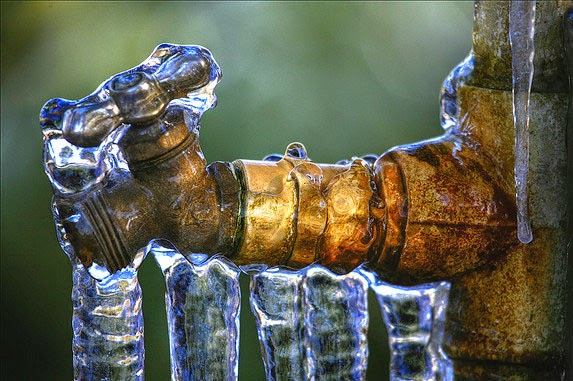
As water turns to ice, it expands, taking up more space in your copper, PVC, or PEX pipes. This expansion exerts thousands of pounds of pressure on the pipe walls, which can eventually lead to a burst. In some instances, Chicago homeowners can experience the “thaw disaster.” In these situations, pipes burst, but the water is frozen, so it doesn’t flood the home until the ice melts. These delayed results can give homeowners a false sense of security.
Vulnerable Areas: Crawlspaces and Exterior Walls
The most vulnerable areas of your homes for frozen pipes are those that are difficult to heat or are exposed to the outdoor elements. This includes kitchens, where pipes are often against exterior walls or hidden behind cabinets, along with bathrooms that are located over unheated crawlspaces.
In these locations, homeowners can protect themselves with two tried and true methods. The first is to keep kitchen and bathroom cabinets open on nights when temperatures are below zero. This allows the heated air in your home to keep pipes warm. The other is to allow faucets to slowly drip through the night. This keeps water moving and pressure low to avoid a freeze.
Why Chicago Winters Don’t Give You a Second Chance
Chicago’s “Polar Vortex” means that temperatures can drop to extreme lows with high winds that cause any home’s internal temperature to drop. For this reason, it’s best to act proactively. Taking precautions on frigid nights eliminates the gamble of potentially spending thousands in plumbing repairs and water remediation.
Immediate Troubleshooting vs. Emergency Calls
If your furnace is malfunctioning, perform a 2-minute safety check. First, check that the thermostat has batteries and is set to the proper temperature. Then, ensure that your circuit breaker hasn’t tripped and that the furnace’s power switch is on. If the burners won’t ignite after these checks, you must call for emergency heating repair immediately.
How Home Comfort Protects Your Whole Home
Home Comfort is proud to offer rapid response times for “No Heat” emergencies across the Chicago area. Our technicians are trained to identify not just why the furnace failed, but if your home’s plumbing is already at risk.
Trust Home Comfort For Emergency Repairs
A dead furnace is a ticking clock for your pipes. Protect your property and your comfort with emergency service from Home Comfort. Since 1998, we’ve been providing superior care to homeowners throughout Northwest Chicagoland. Plus, we offer upfront pricing to help you budget properly.
Contact Home Comfort for 24/7 emergency service to save your heat and your home.
FAQ
How Long Does It Take For Pipes To Freeze Without Heat?
Pipes can begin to freeze within 4-8 hours of no heat in your home. That’s why addressing “no heat” issues fast is critical.
Can I Use A Space Heater To Prevent Frozen Pipes?
Space heaters are a great way to provide temporary heat in an emergency. Always follow the safety precautions like placing the system on a level surface and at least three feet from anything flammable. You may want to put these in rooms with plumbing to help prevent a burst.
What Is The First Thing I Should Do If My Furnace Fails?
If your furnace fails on a cold night, call for emergency service. Until your heat is restored, allow any faucets in vulnerable areas to drip to help prevent frozen pipes.